
 ScrolDown




Writing
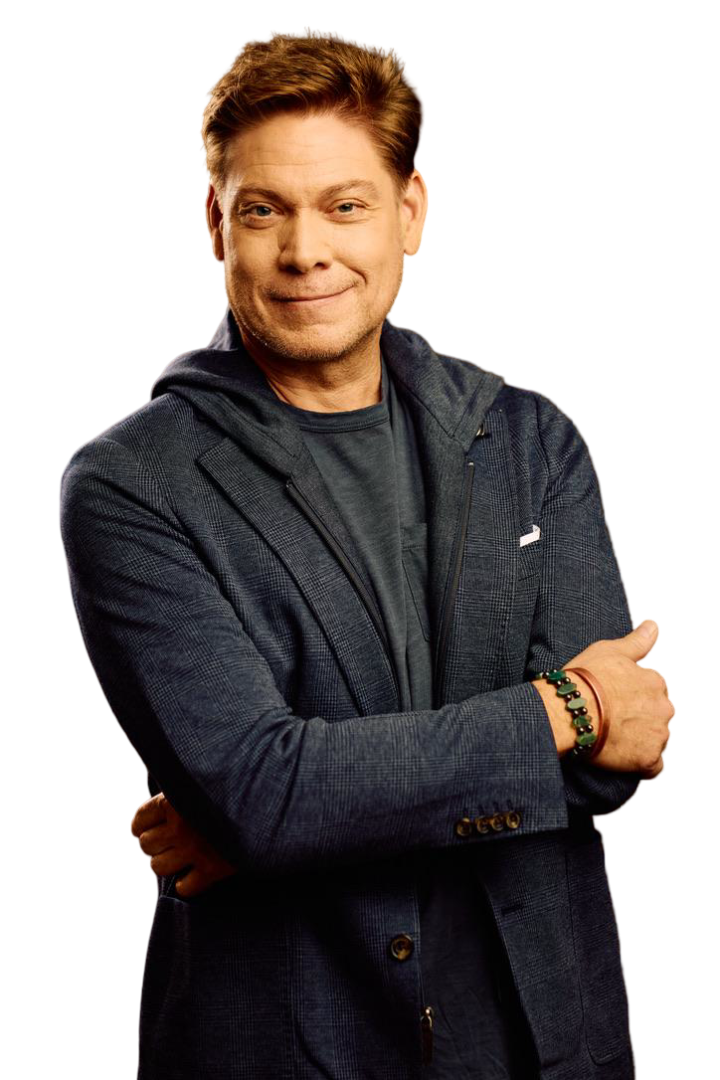
I am a former tech executive that endured extreme childhood trauma turned writer. My work focuses on the questions like "what happens when a human body is forced to borrow safety from external structures for too long?" and "What if the belief systems or frameworks you have given your life to are also the reason you have served a life sentence of suffering?" I examine how institutions and belief systems shape human regulation, identity, and belonging, informed by lived experience inside both religious and corporate power structures. I spent years inside high-control religious environments, including seven years in full-time ministry, before building a career in technology where I built and managed some of the largest tech systems on the planet at Microsoft and Amazon. My writing draws from personal history, trauma neuroscience, and systems thinking to explore why high-functioning people collapse even when their external life is working, and what it takes to return to the body as the primary source of truth. I spent more than twenty years building and stabilizing global technology systems, including work at Microsoft and Amazon.
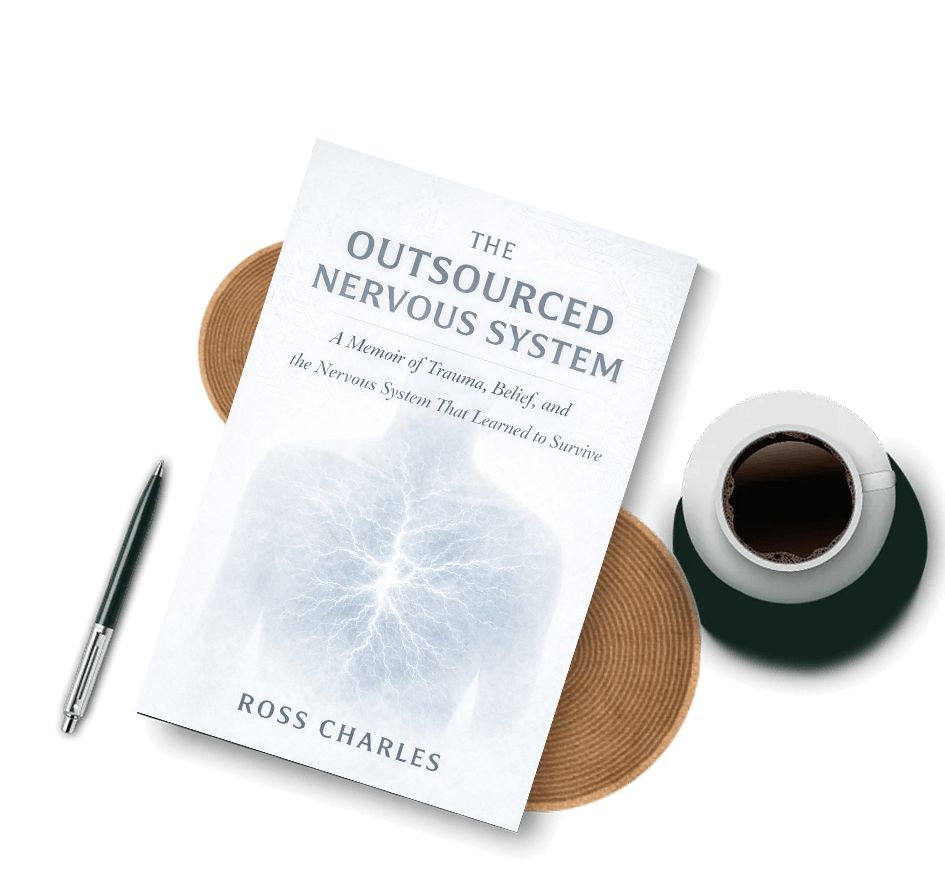
The Outsourced Nervous System
I have completed the draft and am in the query stage for The Outsourced Nervous System.
THE OUTSOURCED NERVOUS SYSTEM is a narrative nonfiction book that asks a simple question: what happens when a human body is forced to borrow safety from external structures for too long?
When regulation is outsourced to religion, work, roles, relationships, or institutional belonging, the body adapts. It performs. It complies. It achieves. It survives. Until it cannot.
This book blends memoir with trauma neuroscience and systems-level cultural critique to show how environments shape nervous system strategy, identity, and meaning. It traces the arc through childhood trauma and inherited religion, into high-control spiritual environments, then into corporate performance systems at scale, and finally into the somatic reality that insight alone does not heal what the body learned to do in order to survive.
This is not a self-help manual. It is a body-first story about survival, belonging, and the cost of living disconnected from internal signals in exchange for external safety.
The Survival Identity Framework
The Survival Identity Framework grew out of the process of writing The Outsourced Nervous System, as I investigated my own patterns of suffering, adaptation, faith, and collapse. What began as a personal inquiry revealed a consistent structure beneath behavior and belief. Identity itself was being organized by the nervous system as a survival strategy.
Rather than treating patterns like overperformance, people pleasing, vigilance, or withdrawal as personality traits or moral failures, the framework shows them as coherent biological responses shaped by threat, attachment, and regulation. These identities are not fixed or pathological. They are learned ways of staying safe that often persist long after the original danger has passed.
Grounded in trauma neuroscience and lived experience, the Survival Identity Framework offers a non-shaming, biologically accurate lens for understanding why insight alone rarely brings change and why true freedom begins with nervous system safety. This work underpins the CopingMap assessment and provides a new language for understanding who we became, and why it made sense.
The Self That Survived (in progress)
I am currently working on a draft of The Self That Survived
The Self That Survived is a nonfiction book built on the Survival Identity Framework, exploring how identity forms as a biological survival strategy rather than a reflection of character, belief, or choice. Drawing from trauma neuroscience, systems thinking, and lived experience, the book shows how the nervous system organizes identity around coherence and predictability when safety is threatened.
Rather than asking who we are, the book asks a more precise question: what did the body learn it had to become in order to survive? It maps common survival identities such as the Pleaser, Performer, Protector, Ghost, and others, not as traits or diagnoses, but as intelligent adaptations that once reduced danger and later hardened into identity.
This work reframes shame, repetition, and resistance as protective functions rather than personal failure. It explains why insight alone rarely creates change, why healing often destabilizes before it integrates, and why safety is the prerequisite for choice. The Self That Survived restores dignity to the versions of us that carried the system when other options were unavailable, and offers a biologically grounded path toward integration once survival is no longer required.
Anticipated completion: Q3 2026.
What’s Inside

How inherited frameworks shape the way we see God, love, and ourselves

Why negative cognitions feel like facts and how to change them

The science of epigenetics and how trauma echoes across generations

The difference between coping and healing

How spiritual obedience can mimic emotional surrender

Practical tools for rewriting the code beneath belief
Stories that stay with you.
I’m Ross Charles, an ACEs survivor with a score of 10, and a former tech executive and engineer. For decades, I built order inside complex systems while quietly trying to understand the story unfolding inside my own body.
My writing is not about theory. It is about reclamation. This work explores how inherited religion, family loyalty, and unresolved trauma quietly shape identity, often without our awareness. It also shows how understanding the nervous system can give us a way back. A way to rewrite the story with new choices and new outcomes.



Why It Matters
Many people are suffering inside patterns they did not choose and cannot simply think their way out of. They ask the same quiet question again and again: Why do I keep doing this when I know better? Why do I repeat what hurts me?
Most belief systems offer soothing, not healing. They provide meaning, structure, and temporary relief, but they leave the underlying patterns intact. People feel calmer for a moment, then find themselves right back where they started. The cycle continues, and the suffering is interpreted as personal failure.
This work matters because it names what is actually happening. When the nervous system does not feel safe, choice disappears. Behavior is not driven by belief or intention, but by survival. Until safety is restored at the level where identity formed, patterns cannot release, no matter how much insight or effort is applied.
Real healing is not learning better rules or adopting a better framework. It is restoring enough safety that the body no longer has to protect itself through repetition. This work exists because people deserve more than coping. They deserve real change. They deserve transformation and transcendence.
Latest Blog and Articles
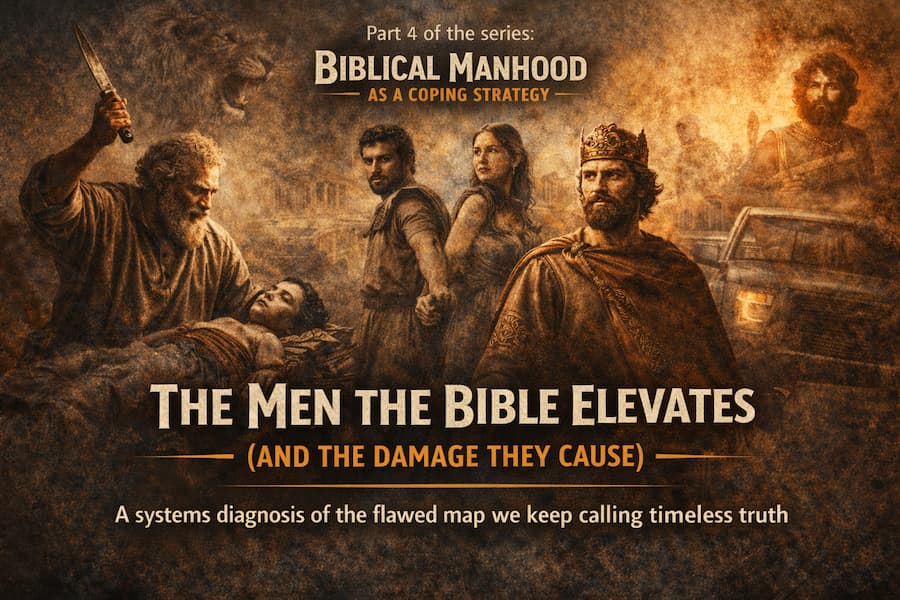
 8 Jan, 2026
 Men The Bible Elevates and The Damage...
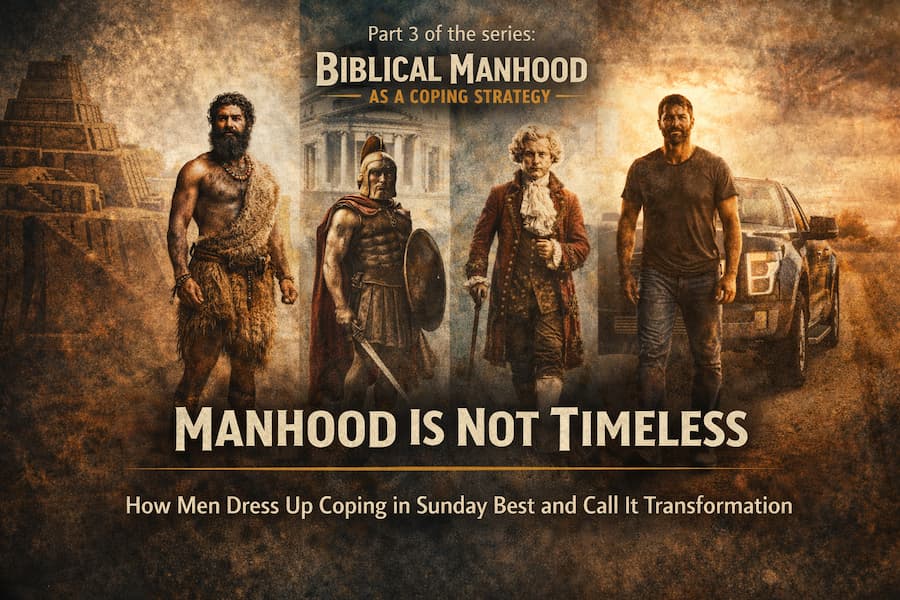 7 Jan, 2026
 Manhood Is Not Timeless
 7 Jan, 2026
 Why Masculinity Tightens Under Threat
 7 Jan, 2026
 Why Biblical Manhood Works (and Why That’s...
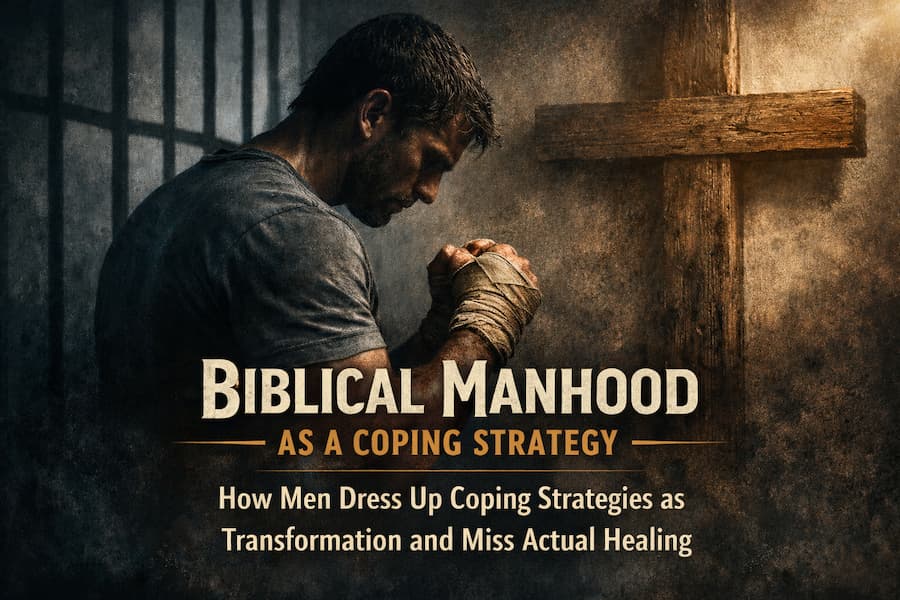 1 Jan, 2026
 Biblical Manhood as Coping Strategy
 1 Jan, 2026
 Why I Examine Frameworks Instead of People
 1 Jan, 2026
 You Don’t Need to Act Like a...
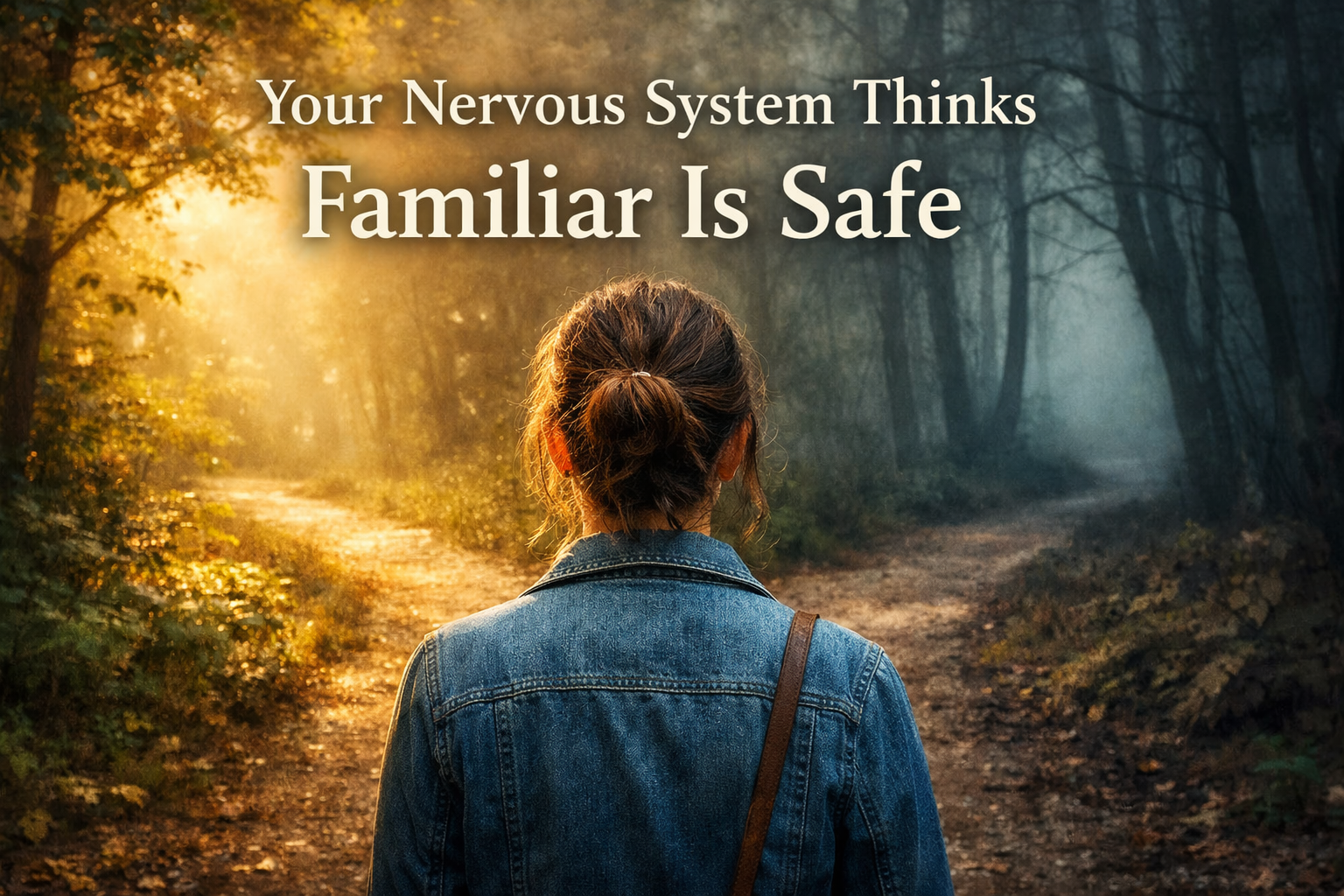 29 Dec, 2025
 Your Nervous System Thinks Familiar is Safe
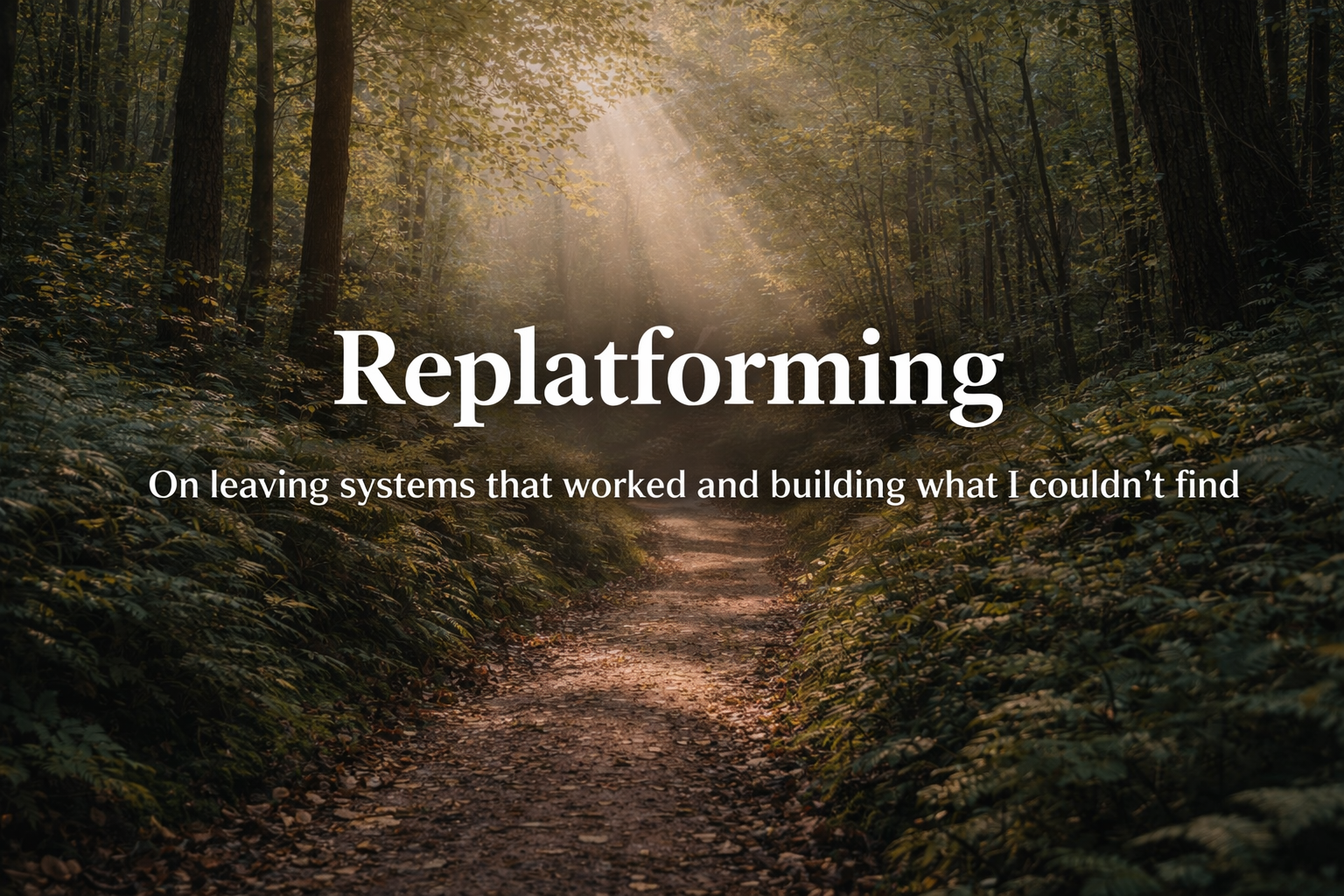 28 Dec, 2025
 Replatforming
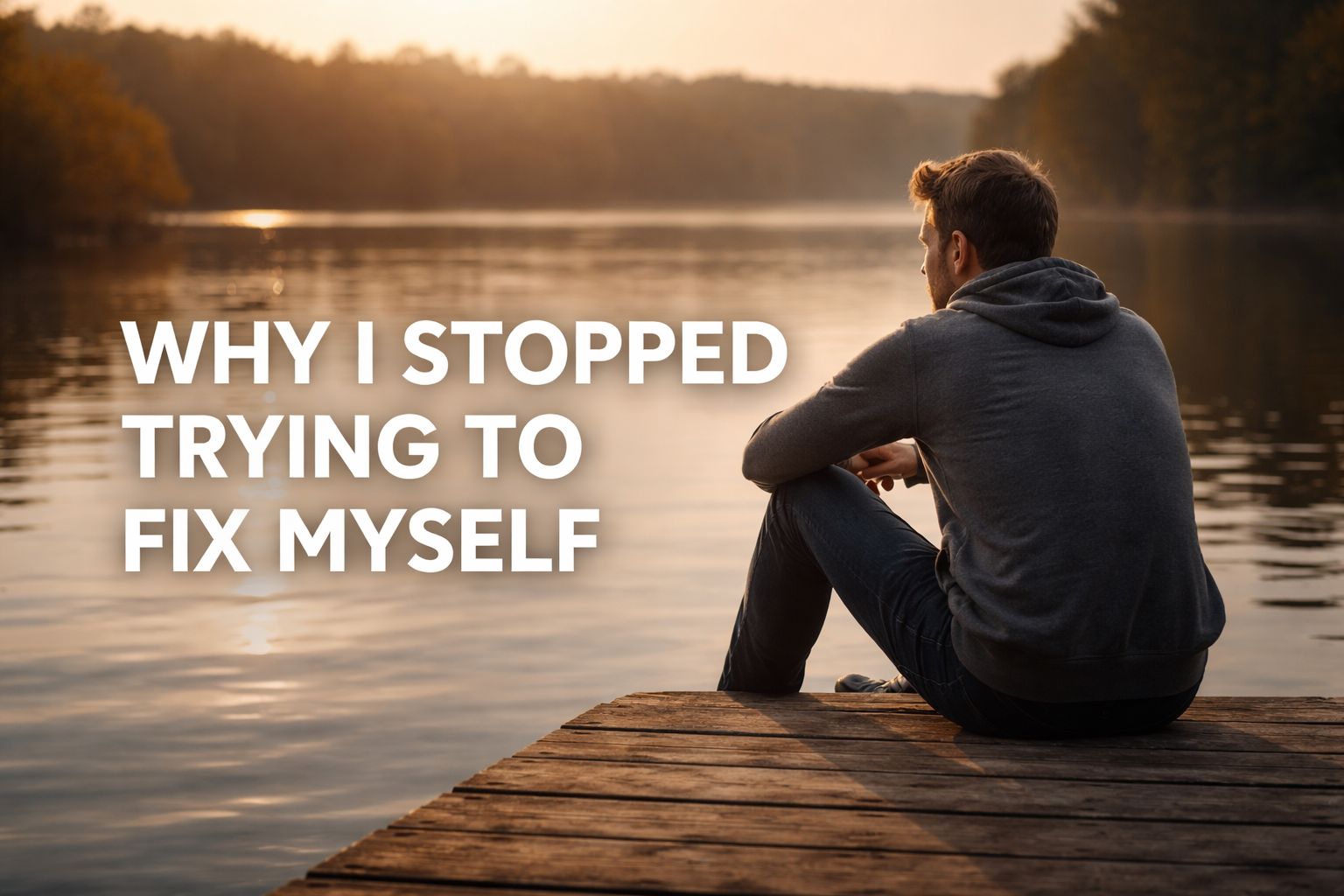 28 Dec, 2025
 Why I Stopped Trying to Fix Myself
 27 Dec, 2025
 The God-Shaped Hole
 26 Dec, 2025
 Property, Power, and the Birth of Biblical...

